 Chat with us

Call us now :08045803032
 Send Inquiry
 Send Inquiry
Tape Initial Adhesion Rolling Ball Tester
Tape Initial Adhesion Rolling Ball Tester Specification
- Features
- Robust metallic construction, adjustable inclination, easy-to-read graduated scale, suitable for various tape widths, complies with PSTC-6 and ASTM D3121
- Spare Parts
- Steel balls, replacement test plates
- Theory
- Measures the initial tack of pressure-sensitive adhesive tapes using a rolling steel ball method.
- Interface
- Manual operation
- Dimensions
- Approx. 300mm x 70mm x 150mm (LxWxH)
- Working Stage
- Inclined test plate (approx. 30°) with marking scale
- Applications
- For QC labs and R&D for testing the initial tack of pressure-sensitive adhesives, tapes, and labels
- Accessories Included
- User manual, calibration certificate, set of steel balls, cleaning cloth
- Compliance Standards
- Conforms to PSTC-6, ASTM D3121, and equivalent global standards
- Ball Material
- Hardened steel
- Base Material
- Powder-coated steel or aluminum alloy for stability
- Operation Method
- Place adhesive tape on inclined track, release steel ball, and measure distance ball travels before stopping.
- Weight
- Approx. 1.8 kg
- Sample Width Capacity
- Up to 80 mm
- Graduation Scale
- Marked in centimeters and/or millimeters for precise reading
- Inclination Angle
- 30 degrees fixed or adjustable (model-dependent)
- Test Principle
- Evaluates initial adhesive tack by measuring the distance a rolling steel ball travels over tape.
- Number of Balls
- Typically supplied with 1 set (several sizes provided)
Tape Initial Adhesion Rolling Ball Tester About
This Tape Initial Adhesion Rolling Ball Tester is suitable for testing strength of sensitive adhesive tape and judge the initial adhesion strength by the rolling distance of the steel ball. This tester is designed on the basis of balling method and conforms to the standards GB/T 4852, JIS Zo237. Further, our offered rolling ball tester turn the adhesive surface of specimen upward and place it onto the test plate inclining 30 degree fix two ends with tape and weight respectively. Further, Tape Initial Adhesion Rolling Ball Tester is duly checked by our quality controllers to make sure the defect free supply to our customer ends.
Technical specification
| Testing Specimen | 4 (PCS) |
| Dimension (WDH) | 58 39 33 cm |
| Weight | 17 kg |
Reliable Measurement of Initial Tack
Evaluate the initial adhesive tack of tapes and labels precisely using the rolling ball method. The fixed or adjustable 30-degree incline and graduated scale enable consistent, repeatable results for different adhesive formulations. This method is compliant with global standards including PSTC-6 and ASTM D3121, ensuring your data meets industry requirements.
Robust Construction and Versatile Design
The tester features a strong metallic base, available in powder-coated steel or aluminum alloy, offering outstanding stability. With capacity for tape samples up to 80mm wide and several steel ball sizes provided, it accommodates a variety of applications, making it suitable for both QC and R&D settings.
Simple, Manual Operation with Full Accessory Kit
Operation is straightforward: place your tape sample on the marked, inclined test plate, release the steel ball, and measure the traveled distance for an immediate tack indication. The kit includes accessories and spare parts, such as additional steel balls and replacement test plates, ensuring minimal downtime and prolonged equipment life.
FAQs of Tape Initial Adhesion Rolling Ball Tester:
Q: How does the Tape Initial Adhesion Rolling Ball Tester evaluate the adhesive tack of a tape?
A: This tester operates by allowing a hardened steel ball to roll down an inclined plate covered with the sample tape. The distance the ball travels before stopping is measured using a precise scale. This distance directly reflects the tapes initial tack according to standardized test methods.Q: What are the main advantages of using this rolling ball tester in QC labs?
A: The tester is easy to operate, produces repeatable and precise results, and complies with international standards like PSTC-6 and ASTM D3121. Its robust design and versatility in sample width and ball sizes enable reliable testing for a wide range of pressure-sensitive adhesives.Q: When should I use the Tape Initial Adhesion Rolling Ball Tester?
A: This instrument is ideal whenever you need to determine the initial tack or stickiness of adhesive tapes, labels, or similar productsespecially during product development, quality control, or supplier evaluations in laboratory environments.Q: Where can this tester be used?
A: It is perfectly suited for use in quality control and R&D laboratories within adhesive tape manufacturing facilities, label production units, and similar environments that require accurate tack testing.Q: What is the setup and operation process for performing a test?
A: Set the tape sample (up to 80mm wide) onto the inclined track, making sure the marking scale is visible. Select a steel ball of suitable size, position it at the top, and release it. Measure the distance the ball rolls before stopping to determine the initial tack.Q: How does the tester benefit my adhesive development or quality control processes?
A: It provides reliable, objective data on the initial stickiness of tapes, facilitating product consistency, rapid decision-making, and compliance with recognized standardscritical factors in adhesive product development and quality assurance.Q: What accessories and spare parts are included with the tester?
A: Each set comes complete with a user manual, calibration certificate, a set of various-sized hardened steel balls, a cleaning cloth, and options for replacement test plates and balls to ensure long-term operational efficiency.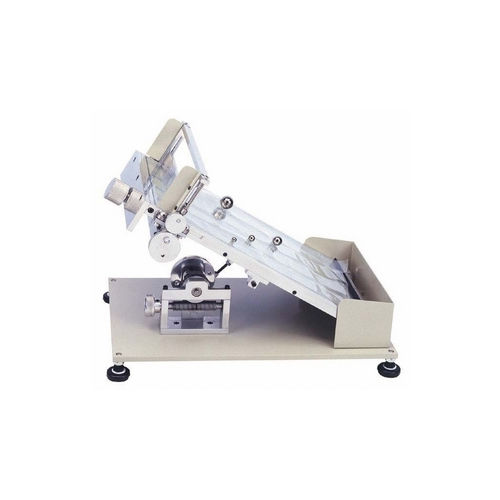
Tell us about your requirement

Price:
Quantity
Select Unit
- 50
- 100
- 200
- 250
- 500
- 1000+
Additional detail
Mobile number
Email

More Products in Analytical Instruments Category

Scanning Electron Microscope (SEM)
Interface : USB 3.0 / Ethernet
Theory : Other, Scanning electron microscopy (SEM) uses a focused electron beam to scan the surface of a specimen, producing highresolution images by detecting secondary or backscattered electrons.
Resolution : 3.0 nm at 30 kV
Sensor : Highsensitivity solid state detector
Spare Parts : Sample holders, filaments, aperture strips
Illumination : Electron Beam (variable current)
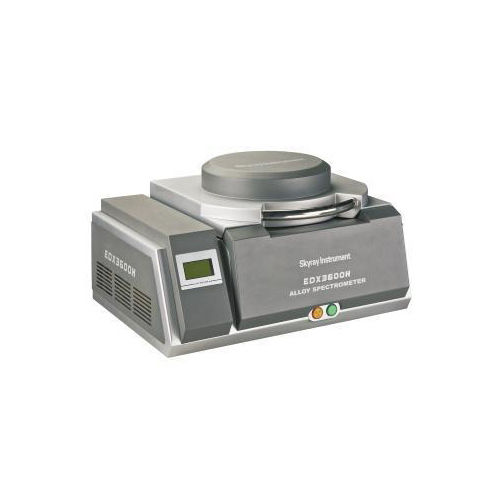
Digital Alloy Analyzer
Interface : USB 2.0/3.0
Theory : Other, Digital Optical Emission Spectroscopy (OES)
Resolution : 1920 x 1080 pixels
Sensor : High sensitivity CMOS sensor
Spare Parts : Fuses, lamp, power cable, dust cover
Illumination : LED with adjustable brightness
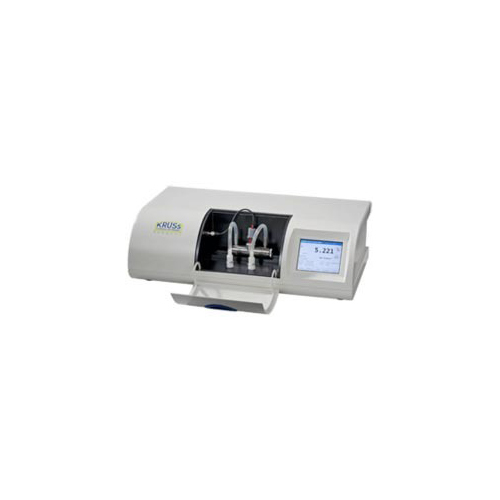
Digital Polarimeter
Interface : Digital display with push button controls
Theory : Other, Measures the optical rotation of substances by passing polarized light through a sample.
Resolution : 0.01 optical rotation
Sensor : Photoelectric sensor
Spare Parts : LED lamp, sample tubes, fuses
Illumination : Builtin LED lamp
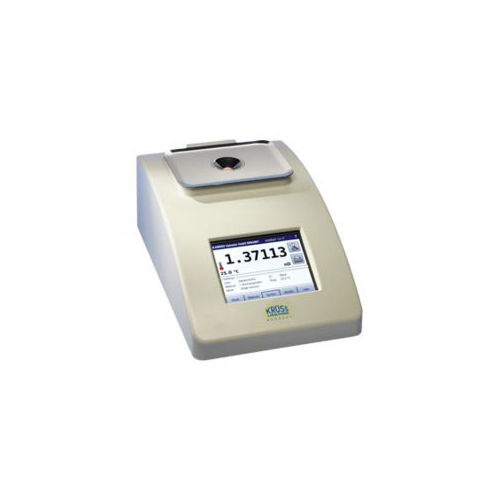
High Precision Digital Refractometer
Interface : Touchscreen Display
Theory : Refractometry, Other
Resolution : High Precision
Sensor : Digital Sensor
Illumination : Builtin Digital Screen

 Send Inquiry
Our Products


Office No. 253, 2nd Floor, Udyog Bhavan, Sonawala Road, Goregaon East, Mumbai - 400063, Maharashtra, India

Mr. Rajendra Barabde
(Director)
Mobile :08045803032
 Send Inquiry
 Send SMS
Developed and Managed by Infocom Network Private Limited.
