 Chat with us

Call us now :08045803032
 Send Inquiry
 Send Inquiry
High Performance Thin Layer Chromatography (HPTLC)
Price 6000000.0 INR/ Number
MOQ : 1 Number
High Performance Thin Layer Chromatography (HPTLC) Specification
- Spare Parts
- UV tubes, scanning module, plate carriers, lamps, application syringe, sample trays
- Focus System
- Automated and manual focusing for precise zone detection
- Features
- Automated sample application, programmable development chambers, high-throughput analysis, integrated densitometric quantification, multi-wavelength detection, easy data management.
- Theory
- Other
- Sensor
- High sensitivity densitometric scanner (integrated or standalone device)
- Resolution
- Up to 1 ng per band detection limit, enhanced zone resolution due to fine particle size on HPTLC plates.
- Interface
- RS232C/USB for data transfer to computer systems
- Focal Distance
- Adjustable, optimized for plate surface and scanner alignment Micromete (micron)
- Magnification
- Not applicable (zone or spot detection by scanner rather than optical magnification)
- Dimensions
- Depends on manufacturer, typically 60 x 30 x 30 cm (scanner unit) Micromete (micron)
- Focus Range
- Automatic and manual adjustment for accurate zone detection Micromete (micron)
- Illumination
- Integrated UV and white light illumination (254 nm, 366 nm, 400-700 nm)
- Coarse Adjustment Range
- Automatic sample height adjustment based on the plate thickness
- Fine Adjustment Range
- Micrometer-precision Z-axis adjustment for plate scanning
- Working Stage
- Stainless steel, chemical-resistant plate stage, typically fits 10 x 10 cm or 20 x 10 cm HPTLC plates Square Inch (in2)
- Still Image Capture Resolution
- Up to 1200 dpi (densitometric scanner capture)
- Image Format
- 16-bit TIFF, JPEG, BMP (exportable from densitometric scanner)
- Light Source
- High intensity UV and visible light source, long-lasting LED and mercury vapor alternatives
- Sample Application
- Automated, programmable sample applicator for high precision spotting
- Compliance
- 21 CFR Part 11, GLP, GMP, as per specific system
- Plate Material
- Silica gel 60 F254, aluminum or glass backed
- Weight
- Approximately 25 kg (scanner & application module)
- Operating Conditions
- Ambient temperature 15-30C, humidity <70% RH
- Application Type
- Qualitative and quantitative analysis of pharmaceuticals, botanicals, food, forensic and environmental samples
- Developing Chamber
- Automatic humidity and temperature control for reproducible development
- Data Management
- Integrated software for analysis, reporting, and archiving
- Wavelength Range
- 200 - 800 nm (scan range depending on scanner module)
- Power Supply
- 100-240V AC, 50/60Hz
- Detection Method
- Densitometry, fluorescence, UV/Vis absorbance, and documentation under visible/UV illumination
High Performance Thin Layer Chromatography (HPTLC) Trade Information
- Minimum Order Quantity
- 1 Number
- Supply Ability
- 5 Per Day
- Delivery Time
- 5 Years
- Main Domestic Market
- All India
High Performance Thin Layer Chromatography (HPTLC) About
is areputed and reliable brand for HPTLC product line was established in the year1840 by Dr. Peter Desaga who had been working with Prof. Bunsen at theHeidelberg University. In fact, DESAGA was the first company whointroduced the TLC instrumentation in 1957 / 1958 alongwith other accessoriesfor TLC.
Important FieldsOf Application:
1. Herbals:Identification, Stability Test, Detection OfAdulteration, Assay Of Marker Compounds, Etc.
2. Forensics:Detection Of Document Forgery, Investigation Of Poisoning, Dyestuff analyses,Etc.
3. Pharmaceutical Applications: Quality Control,Content Uniformity Test (CUT), Identity-and Purity Checks,
Stability Test, Etc.
4. Food& Feed Stuff: Quality Control, Additives (e.g. Vitamins),Pesticides, Stability Tests (Expiration), Etc.
5. ClinicalApplications: Lipids, Metabolism Studies, Drug Screening, DopingControl, Etc.
6. IndustrialApplications: Process development & Optimization, ProcessMonitoring, Cleaning Validation, Etc.
7.Cosmetics: Identity Of Raw Material, Preservatives, ColoringMaterial, Screening For Illegal Substance, Etc.
8. Environment: Water, Soil, Residue Analysis,Etc.
We have morethan 100 HPTLC installations in India in the field of Forensic Science,Pharmaceuticals, Chemicals, food, Natural & Herbal products,Homeopathic Products, Ayurvedic Products and textile dyes, etc.,
M/s. biostepGmbH, Germany offers following HPTLC System modules and Software :
- DESAGA Sample Applicator, Model AS 30 (with built-in display and keyboard)
- DESAGA Densitometer-cum-Scanner Model CD 60 for scanning of TLC/HPTLC plates
- DESAGA ProQuant 32-bit Software operating under Windows XP/VISTA/7 for quantitative Thin Layer Chromatography
- DESAGA Digital Documentation System, Model DD 80
- DESAGA Photo Documentation System
- DESAGA PC/Software controlled Reagent Sprayer for accurate and precise spraying, Model ChromaJet DS 20
- DESAGA TLC-Plate Cutter, Drying Rack, Simultaneous Separating Chambers, Twin-Trough Chambers, Nano-Separating Chambers, H-Separating Chambers, Dipping Chambers
- DESAGA TLC Quick Test Set, Carrier Plate with magnetic strips for foils up to 265 x 200 mm
- DESAGA IQ / OQ for AS 30, CD 60, DD 80 and ChromaJet DS 20
- DESAGA UV Cabinet, Sprayer, Spray Box with Ventilator, Thermo Plate
Some ofthe customers are : Forensic Science Laboratories, CentralDrug Laboratories, Food and Drugs Labs, Ayurvedic Medical College, TextileCommittee, IIT, Agricultural Universities, CSIR Labs and Pharma customers likeDishman Pharmaceuticals, Novartis, Sandoz, Dabur Pharma, IVAX, Apotex, AnimalHusbandries, ICMR Labs, ICAR, Food Hygiene Labs, etc.,
Shouldyou need any technical information, product information, applicationinformation or offer on DESAGA HPTLC System,please do let us know.
If you require any further technicalinformation/clarifications/discussion on above, please contact us.
Automated Sample Application for Precision
HPTLC systems are equipped with programmable, automated sample applicators, ensuring consistent and highly precise sample spotting. This automation reduces human error, enhances reproducibility, and accelerates high-throughput workflows. Laboratory professionals benefit from reliable sample application, enabling them to achieve accurate quantitative results even with minute sample volumes, thus optimizing both efficiency and cost savings in the analysis process.
Accurate and Reproducible Chromatography
With automatic control over humidity and temperature within the developing chamber, HPTLC ensures uniform solvent migration and zone separation. These controls minimize environmental inconsistency, making the development of chromatograms highly reproducible and facilitating reliable results across various applications, including pharmaceuticals, botanicals, and environmental samples.
Advanced Multi-Wavelength Detection and Data Management
The integrated detection system supports densitometry, fluorescence, and UV/Vis absorbance in a scan range from 200 to 800 nm, with image export in multiple formats. Powerful onboard software streamlines analysis, reporting, and data archiving, while compliance with regulatory standards (GLP, GMP, 21 CFR Part 11) ensures secure, professional results suitable for official documentation and audits.
FAQs of High Performance Thin Layer Chromatography (HPTLC):
Q: How does HPTLC improve analytical accuracy compared to traditional TLC?
A: HPTLC offers superior resolution and sensitivity by utilizing fine-particle silica gel plates and automated sample application. The integration of densitometric scanning and programmable environmental controls ensures consistent development and precise quantification, resulting in higher accuracy and reproducibility than conventional TLC methods.Q: What types of samples can be analyzed using HPTLC?
A: HPTLC is highly versatile and supports the qualitative and quantitative analysis of pharmaceuticals, botanicals, food products, forensic evidence, and environmental samples. Its high sensitivity and selectivity make it suitable for both routine quality control and complex mixture analysis in varied applications.Q: When should automated sample applicators be used in HPTLC?
A: Automated sample applicators are essential when precise, reproducible sample deposition is needed, especially for quantitative analysis or high-throughput testing. Automation minimizes manual error, ensures even sample distribution, and optimizes comparability between runs, making it ideal for laboratories requiring consistent, high-quality results.Q: Where is HPTLC typically deployed in India?
A: HPTLC systems are widely used in quality control and research labs across India, particularly in the pharmaceutical, food, botanical, forensic, and environmental sectors. Leading distributors and suppliers provide support, service, and system customization to meet diverse regulatory and analytical requirements across these industries.Q: What is the process for developing plates in HPTLC systems?
A: Plates are developed within an automated, enclosed chamber that precisely regulates temperature and humidity. This control ensures uniform solvent migration and reproducible separation patterns. Post-development, plates are scanned using a high-sensitivity densitometric scanner, enabling evaluation under multiple wavelengths and lighting conditions.Q: How does integrated software benefit HPTLC users?
A: Integrated software enables automated analysis, secure archiving, and reporting, simplifying data management and ensuring full compliance with regulatory standards like GLP, GMP, and 21 CFR Part 11. It allows easy transfer, storage, and retrieval of data, facilitating efficient workflow and audit-ready documentation.Q: What are the advantages of multi-wavelength detection in HPTLC?
A: Multi-wavelength detection enables the analysis of a wide variety of compounds by providing densitometric, fluorescence, and UV/Vis absorbance measurements within a 200800 nm scan range. This flexibility enhances the identification and quantification of different analytes within a single run, increasing throughput and data reliability.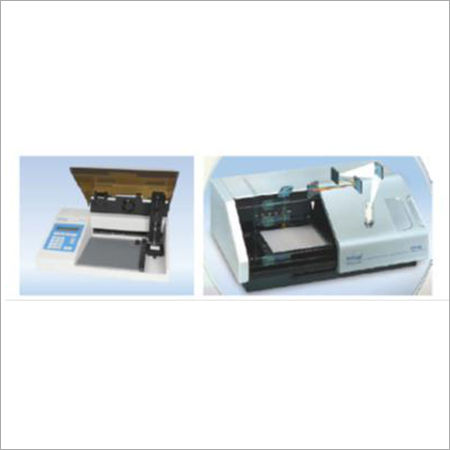
Tell us about your requirement

Price:
Quantity
Select Unit
- 50
- 100
- 200
- 250
- 500
- 1000+
Additional detail
Mobile number
Email

More Products in Laboratory Equipment Category
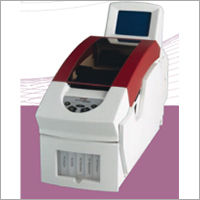
CFA Analyzer
Price Range 6000000.00 - 8000000.00 INR
Light Source : 3W LED
Sensor : HighSensitivity CMOS
Resolution : 19201080 pixels
Interface : USB 2.0 & HDMI
Spare Parts : Fuse, spare lamp, dust cover, immersion oil
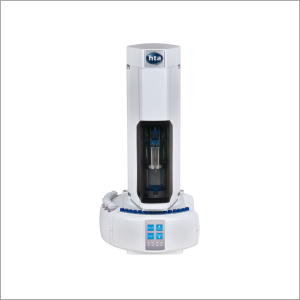
Automated Liquid Autosampler
Price Range 1000000.00 - 1500000.00 INR
Light Source : Not applicable.
Sensor : Integrated liquid level and presence sensors for accurate sample handling.
Resolution : 0.1 L volumetric resolution.
Interface : USB 2.0, RS232, and Ethernet connectivity for instrument communication.
Spare Parts : Sample probe, vials, tray, and replacement tubing.

Microscope
Price Range 100000.00 - 150000.00 INR
Light Source : Builtin LED
Sensor : CMOS
Resolution : 640 x 480 pixels
Interface : USB 2.0
Spare Parts : Replacement objectives, eyepieces, and bulbs
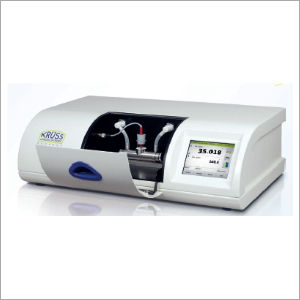
Polarimeter
Price Range 600000.00 - 1200000.00 INR
Light Source : LED, lifetime 50,000 hrs
Sensor : Photoelectric sensor
Resolution : 0.05
Interface : Manual reading scale
Spare Parts : Power adapter, sample tubes

 Send Inquiry
Our Products


Office No. 253, 2nd Floor, Udyog Bhavan, Sonawala Road, Goregaon East, Mumbai - 400063, Maharashtra, India

Mr. Rajendra Barabde
(Director)
Mobile :08045803032
 Send Inquiry
 Send SMS
Developed and Managed by Infocom Network Private Limited.
